 LEGACY 1
Generators, Batteries, or Both? A Smarter Backup Power Strategy for Northern California
Power outages in Northern California are no longer edge cases. They’re part of the operating environment for homes, businesses, construction sites, and public facilities alike. As outages become more frequent and less predictable, many property owners jump straight to one question:
“Should I get a generator?”
The better question is actually broader—and more important:
“What backup power strategy makes sense for how my property operates?”
Because in modern energy planning, generators are just one tool in a much larger resilience toolkit.
Backup Power Strategy Is About Continuity, Not Just Emergencies
The goal of backup power isn’t to recreate normal life during an outage. It’s to maintain what matters most. That might include:
Refrigeration and food safety
Medical equipment
Lighting and communications
Security systems
Business-critical operations
A smart backup strategy starts by identifying critical loads, not by choosing equipment. This principle is central to our broader power & energy planning guide, which explains how backup systems fit alongside electrical capacity, solar, batteries, and EV charging as part of a complete system—not a standalone fix.
Understanding the Main Backup Power Options
Before comparing solutions, it helps to understand what each option actually does well—and where it falls short.
Standby Generators: Strengths and Tradeoffs
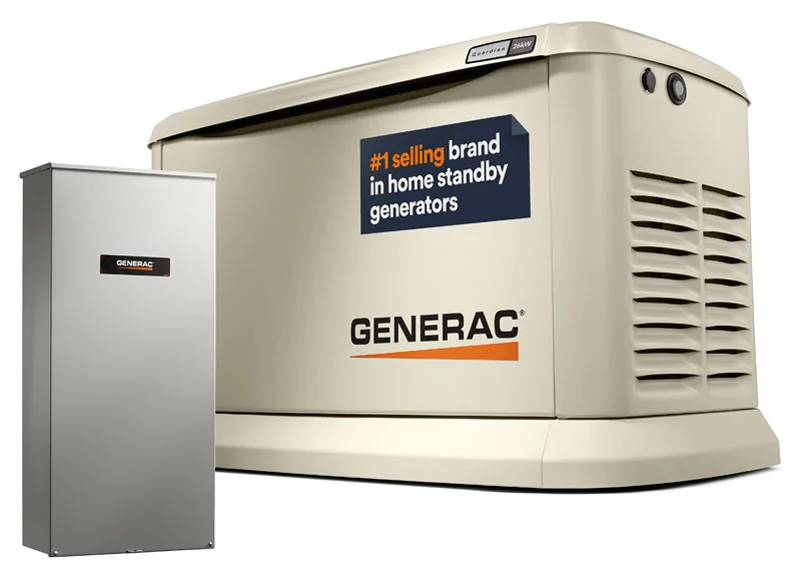
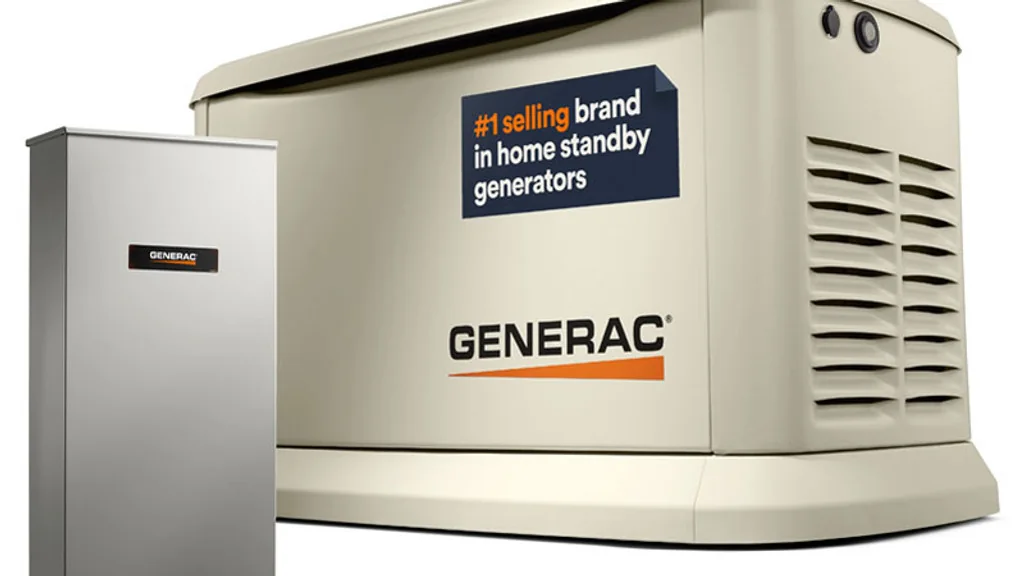
Standby generators are the most familiar form of backup power, and for good reason.
Where Generators Excel
Long-duration outages (hours to days)
High electrical loads
Commercial and industrial settings
Properties with reliable fuel access
Generators are especially effective for:
Refrigeration-heavy businesses
Manufacturing or industrial sites
Facilities that must remain operational regardless of outage length
Key Considerations
Fuel supply and storage
Regular maintenance and testing
Noise and emissions
Startup time (usually seconds, not instant)
Generators are powerful—but they are reactive systems. They turn on when the grid fails, not before.
Battery Backup Systems: Control and Precision
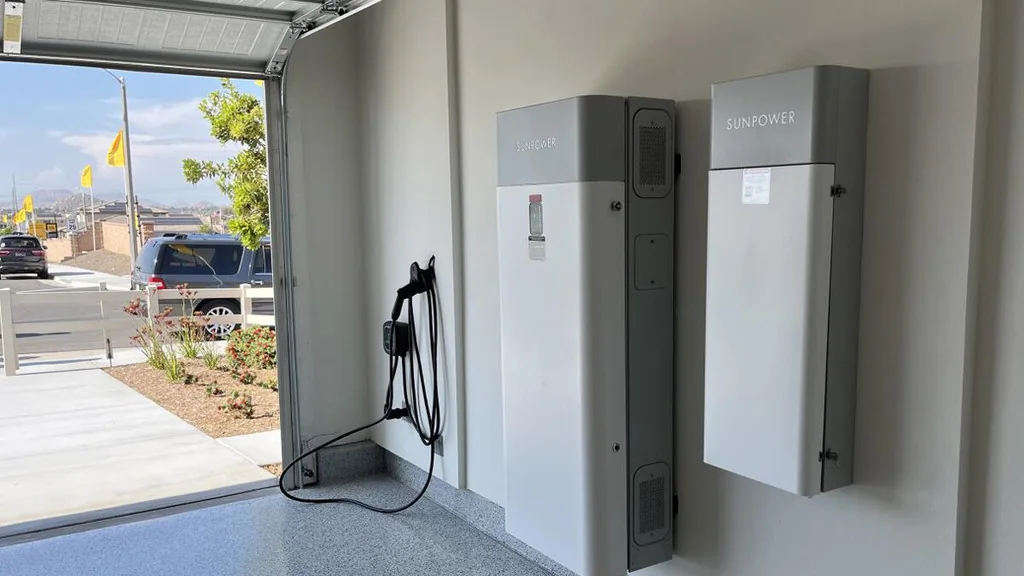
Battery storage systems are often misunderstood as “small generators.” They’re not. Batteries are best thought of as control systems.
Where Batteries Shine
Instant, seamless power during outages
Quiet, emission-free operation
Short to medium outage durations
Load management and peak reduction
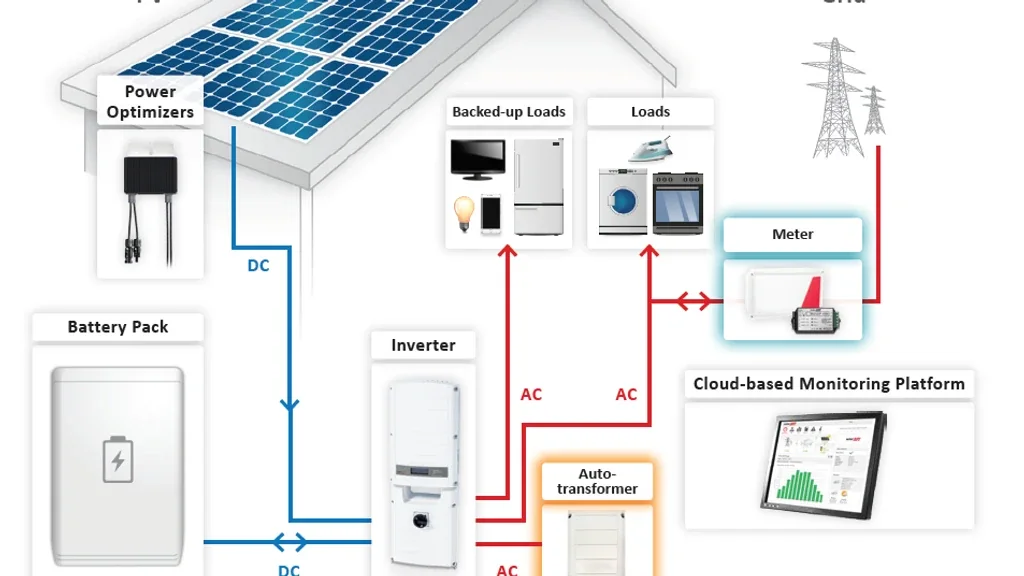
Integration with solar and EV charging
Batteries are especially valuable for:
Homes with medical or work-from-home needs
Businesses sensitive to even brief interruptions
Properties focused on energy efficiency and rate control
Key Limitations
Finite runtime without solar or grid support
Not ideal for sustained, high-draw equipment
Batteries don’t replace generators—but they change how often and how hard generators need to work.
Hybrid Systems: Why “Both” Is Often the Right Answer
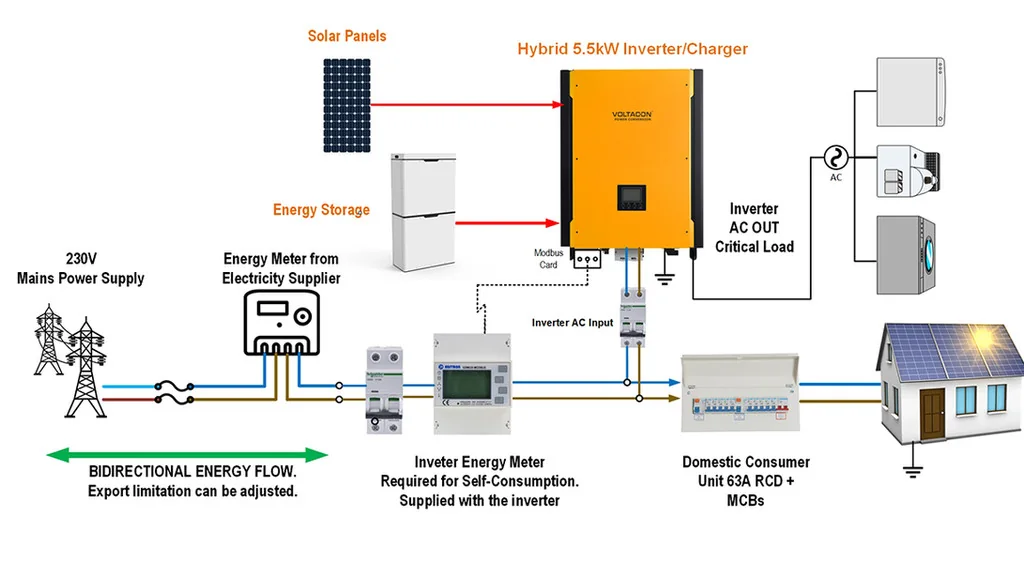
For many Northern California properties, the most effective solution is not choosing between generators and batteries—but combining them.
How Hybrid Systems Work
Batteries provide instant response during outages
Critical loads stay powered immediately
Generators engage only when needed
Generator runtime is reduced
Fuel consumption drops
Wear and maintenance decrease
Hybrid systems are particularly effective where:
Outages vary in length
Some loads are critical, others are not
Noise or emissions matter
Long-term flexibility is important
This layered approach is becoming the gold standard for resilient power planning.
Residential vs Commercial Backup Strategy
Homes
Most homes do not need whole-house backup. Smarter residential planning focuses on:
Essential circuits
Battery-first solutions
Generator support only if outage duration justifies it
This reduces cost while increasing reliability.
Commercial & Public Facilities
For businesses and public entities, backup power is tied directly to:
Revenue protection
Safety and liability
Public trust
Operational continuity
These environments often require:
Clear load prioritization
Redundant systems
Formal testing and maintenance plans
The Most Common Backup Power Mistakes
Across residential and commercial projects, the same issues appear again and again:
Sizing generators without load analysis
Treating backup power as an afterthought
Ignoring how backup systems interact with solar or EV charging
Overbuilding instead of planning strategically
Failing to account for future electrification
Each of these mistakes increases cost and reduces reliability.
Backup Power Should Never Be Planned in Isolation
Generators don’t exist in a vacuum. They interact with:
Electrical service capacity
Solar production
Battery storage
EV charging demand
Construction phasing
Safety and code requirements
That’s why backup power decisions should always be part of a holistic energy plan, not a one-off purchase. Our Complete Guide to Power & Energy Solutions in Northern California walks through how all of these systems work together—and why sequencing matters as much as equipment selection.
A Smarter Way to Think About Backup Power
Instead of asking:
“What generator should I buy?”
Ask:
“What needs to stay powered, for how long, and under what conditions?”
That shift in thinking leads to:
Right-sized systems
Lower lifetime cost
Better reliability
Fewer surprises
Final Takeaway
Generators are still essential tools—but they are no longer the whole strategy. In modern power planning, the strongest backup solutions are:
Thoughtful, not reactive
Integrated, not isolated
Scalable, not rigid
When backup power is planned as part of a complete system, outages become manageable events—not emergencies.
That integrated mindset is how Legacy 1 Corp approaches power and resilience planning: by designing systems that protect people, operations, and long-term flexibility.
Exploring Additional Backup Power Strategies
Understanding Your Energy Needs
To create an effective backup power strategy, I first assess my energy needs. This involves analyzing my property and identifying critical loads. I consider what equipment and systems are essential for daily operations.
Evaluating Local Resources
Next, I evaluate local resources. This includes understanding the availability of fuel, solar potential, and grid reliability. Knowing these factors helps me choose the right backup power solution.
Planning for Future Changes
I also plan for future changes. As energy demands evolve, my backup power strategy should adapt. This flexibility ensures that I can meet my needs as they grow.
Engaging with Professionals
Finally, I engage with professionals. Collaborating with experts in energy planning ensures that I make informed decisions. They can provide insights into the latest technologies and best practices.
By taking these steps, I can develop a comprehensive backup power strategy that meets my needs and enhances resilience.
In conclusion, a well-thought-out backup power plan is essential for navigating the challenges of power outages in Northern California. It’s not just about having a generator; it’s about creating a system that ensures continuity and protects what matters most.
Put this guidance to work
Explore generator installation and service, or contact Legacy about your project.