The Complete Power & Energy Guide
A practical Northern California guide to safer electrical infrastructure, smarter energy decisions, solar, battery storage, EV charging and resilient backup power.
Who this is for: Homeowners, businesses, property managers, HOAs, developers and public-sector teams planning electrical and energy improvements.
How to use this guide: Read from start to finish or choose a chapter. This educational resource explains planning considerations, not a substitute for a site-specific electrical assessment, code review or financial estimate.
Why power planning matters
Electrical demand is changing across Northern California. A coordinated plan can account for utility service, electrification, backup power, operating costs, and future upgrades. Start with the property’s actual needs—not with a product purchase.
Start with the problem, not the product
A generator, solar array, battery or new panel can each solve a different problem. The most successful projects begin with three separate questions: Is the existing electrical system safe and capable? What energy costs or operating constraints are we trying to change? Which functions must continue during an outage? Those answers determine whether the next dollar belongs in infrastructure, efficiency, generation or resilience.
Understand your utility bill
Review at least twelve months of electricity usage where available, noting monthly kilowatt-hours, seasonal peaks, time-of-use periods and unusually large loads. A business should also examine demand charges and operating hours. A low annual bill does not necessarily mean a small backup requirement, and a large bill does not automatically justify a large solar system.
Prioritize the outcomes
Rank safety and code corrections first, followed by operational reliability, essential backup, energy-cost improvements and future flexibility. Include expected ownership horizon, roof condition, financing, maintenance and available physical space. Document the assumptions so competing proposals can be compared on the same basis.
Back to contents ↑Understand your electrical ecosystem
Utility service feeds the main electrical panel, branch circuits and connected equipment. Evaluate service capacity, calculated demand, panel condition and available circuit space before adding large loads. Solar, EV charging and backup systems share this electrical backbone.
Map the path of power
Utility distribution connects through service conductors and metering to the main service equipment, which distributes electricity through feeders, panels and branch circuits. Each component has its own rating, physical condition and protection requirements. Adding an appliance or energy system may affect more than one part of that chain.
Panel replacement is not always a service upgrade
Replacing damaged or obsolete equipment at the same capacity differs from increasing available utility service. A service increase can require new conductors, meter-main equipment, grounding and bonding work, utility engineering and a new service route. Have a qualified electrician complete a load calculation rather than assuming every property needs 200 or 400 amps.
Plan for equipment integration
Solar inverters, battery inverters, EV chargers and generators need compatible disconnects, protection, controls and installation locations. Where a property has multiple panels or tenant loads, identify which circuits each system can serve. Obtain a single-line diagram for complex projects and confirm that manufacturer instructions and utility interconnection requirements align.
Back to contents ↑Solar energy: when it makes sense
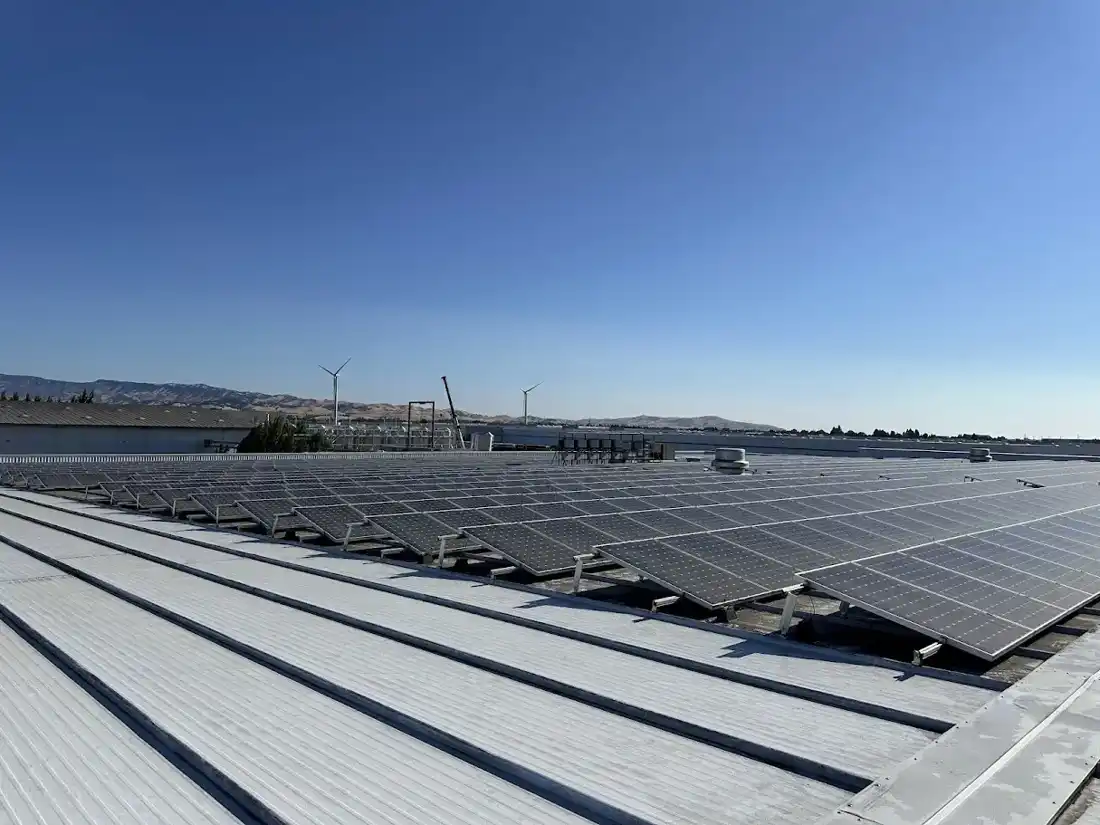
Solar generation depends on site conditions, shading, roof life, usage timing, equipment design and utility tariffs. Grid-tied solar generally does not provide backup during an outage without appropriately configured storage and controls. Compare projected production with when you actually consume energy.
How solar savings are created
Solar produces electricity when sunlight reaches the modules. The financial result depends on production, when energy is consumed, retail rates, export compensation, equipment cost and financing. Model the property’s hourly load and the applicable utility tariff; annual production alone is not a sufficient savings forecast.
Site suitability checklist
Evaluate shading across seasons, roof orientation and slope, roofing age, structural suitability, fire access, equipment locations and maintenance access. Ground-mounted systems have different land, trenching and permitting considerations. Commercial facilities should evaluate roof warranties, tenant arrangements and future equipment demand.
What solar does not do by itself
Most ordinary grid-connected solar systems shut down when utility power is lost. Backup requires specifically designed equipment, isolation and controls, often with battery storage. Ask every proposer to distinguish estimated annual savings from actual outage capability and to state monitoring, warranty and service responsibilities.
 Back to contents ↑
Battery storage and load management
Batteries can shift consumption, support solar self-use and power selected circuits during an outage when designed for backup. Capacity, output power, critical-load selection, controls and installation location all affect performance. A battery is not automatically whole-home backup.
Energy capacity versus power output
Battery capacity, measured in kilowatt-hours, determines how much energy is stored; output, measured in kilowatts, determines how many loads can run at once. A battery that can operate lighting and refrigeration may not start a large air conditioner or support multiple high-demand appliances. Both ratings matter.
Design a critical-loads plan
List essential circuits, running wattage, startup requirements and desired backup duration. Include refrigeration, communications, medical equipment, sump pumps, gates, alarms and heating or cooling needs as appropriate. Ask whether the system backs up selected circuits or the whole property, and how it behaves when the battery is depleted.
Storage economics and operations
Batteries may increase solar self-consumption, shift electricity purchases to lower-cost periods and provide resilience. Financial benefits depend on tariffs, usage patterns, program rules and degradation. Confirm the installation location, ventilation or clearance requirements, monitoring, warranty conditions and replacement plan.
Back to contents ↑EV charging and electrification
EV charging can add substantial continuous load. A load calculation and charging schedule help determine whether existing electrical infrastructure is sufficient or upgrades are necessary. Consider future vehicles, workplace or fleet use, and managed charging before sizing equipment.
Match charging speed to actual use
Level 1 charging can meet some low-mileage needs; Level 2 is common for residential and workplace charging. The correct charging rate depends on daily mileage, vehicle efficiency, parking duration and available capacity. More amperage is not always more useful.
Evaluate electrical capacity
EV charging is a significant sustained load. Have an electrician assess the existing service, branch circuit, conductor route and equipment listing. Managed charging or an approved load-management system can sometimes avoid an unnecessary service increase, but the solution must match the actual installation and applicable code.
Prepare for multiple vehicles
Homeowners should consider a second vehicle and future electrification. Businesses, HOAs and multifamily properties should evaluate shared parking, billing, access, load allocation and phased conduit installation. Installing pathways during a remodel or paving project can reduce future disruption.
Back to contents ↑Generators and backup resilience
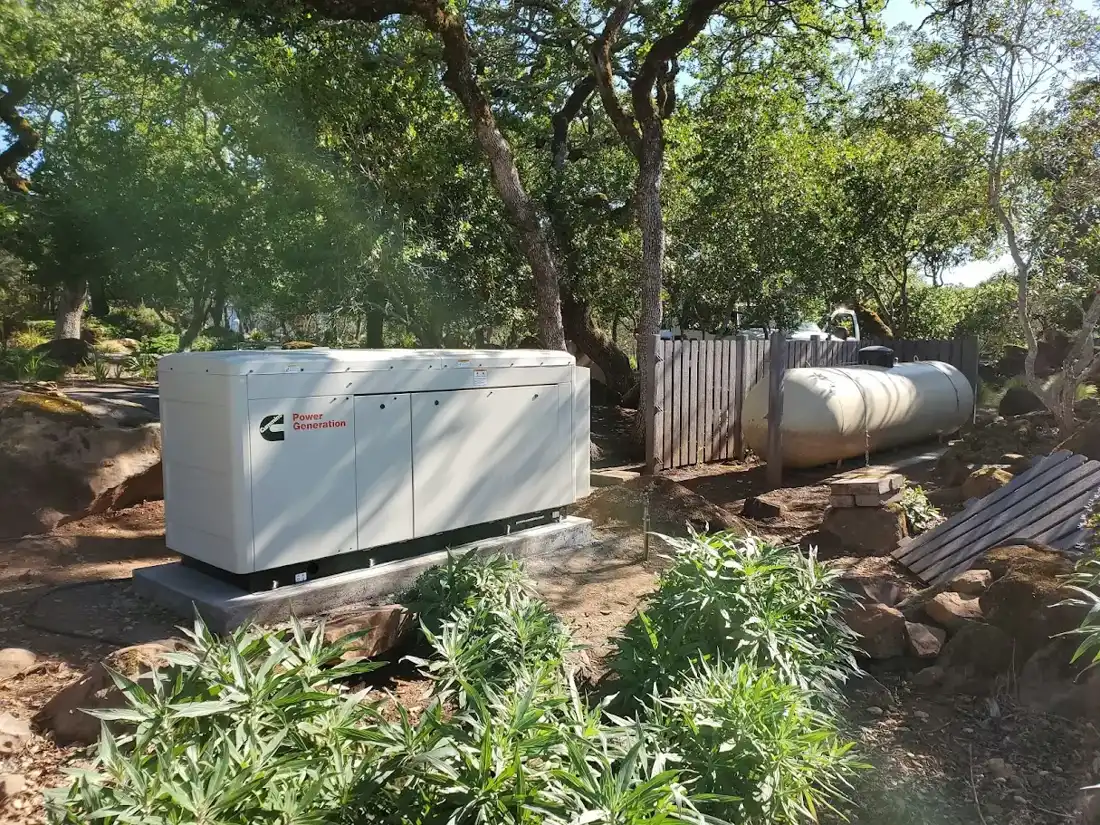
Define essential loads and desired outage duration first. Batteries are often well suited to quiet, shorter-duration support; generators can sustain longer outages when fuel and maintenance are planned. Some properties benefit from a coordinated hybrid system.
Choose the outage scenario
Define the essential functions that must survive and the duration to plan for. A few hours of quiet backup is a different requirement from several days without utility service. Fuel availability, noise, emissions rules, physical location and ongoing maintenance all affect the answer.
Generators require integration and upkeep
A standby generator needs correctly sized transfer equipment, a suitable fuel supply, an approved installation location, exhaust clearance and routine maintenance. Portable generators must never backfeed a building through an improvised connection. Never operate fuel-burning equipment indoors or near openings where carbon monoxide can enter.
Battery, generator or hybrid?
A battery may deliver seamless, quiet short-term support and pair well with solar. A generator may sustain longer outages if fuel remains available. A hybrid can coordinate both, but equipment compatibility and controls must be engineered. Ask for a documented operating sequence, load list, test procedure and maintenance plan.
 Back to contents ↑
California safety, permits and code
Electrical projects may require local permits, utility coordination, inspections, grounding, bonding, labeling and equipment-specific safety provisions. Requirements depend on the authority having jurisdiction and the adopted code. Have a qualified professional assess the installation.
Start with an electrical condition assessment
Signs such as overheating, corrosion, damaged conductors, repeated unexplained trips or unapproved modifications warrant professional diagnosis. An older panel is not automatically unsafe, but specific equipment defects, unsuitable breakers and documented hazards should not be ignored. Do not attempt energized repairs or replace breakers with higher ratings to stop nuisance trips.
Permits and utility coordination
Work may require permits from the local authority having jurisdiction, inspections and separate utility approval for service changes or interconnection. California requirements evolve by code cycle and locality. The contractor should confirm the adopted code, jurisdictional requirements and applicable PG&E procedures for the particular property.
Safety extends beyond installation
Request equipment documentation, breaker and circuit labeling, commissioning results, inspection records and emergency operating instructions. Solar and storage systems have additional shutdown, disconnect and fire-safety considerations. Ensure occupants and facility managers know who to contact when a system reports a fault.
Back to contents ↑Plan for expansion
Avoid stranded investments by considering future EVs, heat pumps, additions, batteries and business equipment. A phased upgrade plan can preserve room in panels, pathways and physical space without overbuilding prematurely.
Build a five-year equipment roadmap
List likely additions: EVs, heat pumps, induction cooking, water heating, an ADU, workshop machinery, commercial tenant equipment, solar and storage. Estimate when each change may occur and its electrical impact. A load calculation should account for realistic operating diversity and approved controls.
Reserve capacity thoughtfully
Where practical, preserve panel spaces, wall clearances, raceway pathways and locations for future equipment. Oversizing everything immediately can be wasteful; underplanning can cause repeated demolition and utility applications. The right answer is a phased design with explicit trigger points for later upgrades.
Coordinate trades early
Roofing, trenching, electrical, HVAC, remodeling and property operations often intersect. Resolve equipment placement, roof penetrations, utility routes, inspections and restoration responsibility before mobilization. A coordinated scope reduces gaps between vendors and prevents expensive rework.
Back to contents ↑Practical property scenarios
Homeowners often prioritize safety, charging and essential backup. Businesses focus on continuity, equipment loads and operating schedules. HOAs and multifamily properties need shared infrastructure planning, while public facilities may have critical continuity requirements.
Single-family home
A homeowner planning an EV and kitchen remodel should begin with a panel assessment and load calculation, then compare charging-management options with a full service increase. If outage protection is important, identify essential circuits before choosing storage or a generator.
Small business or commercial property
A business with refrigeration, point-of-sale systems or critical IT should quantify the financial impact of an outage and identify which circuits require continuity. Solar economics should account for operating hours and tariff structure; backup equipment should be tested against real startup loads.
HOA, multifamily or public facility
Shared electrical infrastructure adds questions of ownership, meter allocation, accessibility, parking, billing, emergency access and phased construction. Involve decision-makers early, document utility capacity and design for expansion without assuming every unit or space has identical needs.
Back to contents ↑Your next steps
Document existing electrical equipment, collect utility usage, identify critical loads, list planned improvements and schedule a site evaluation. Compare options as an integrated plan, then confirm permitting, project sequencing and maintenance.
Step 1 — Gather the baseline
Collect twelve months of bills, panel and meter photographs, equipment labels, plans if available, and a list of current electrical problems. Record any insurance, utility or inspection notices and any planned renovations.
Step 2 — Set priorities and request a site review
Identify must-have loads, desired outage duration, energy goals, budget and timing. Ask for a condition assessment, load calculation where needed, and a proposal that distinguishes required safety work from optional enhancements.
Step 3 — Compare complete scopes
Check equipment ratings, permit responsibility, utility coordination, interconnection, warranty, monitoring, commissioning, restoration, maintenance and exclusions. Compare projected benefits using the same tariff and usage assumptions.
Step 4 — Execute in phases and document
Schedule permits and utility milestones before equipment installation. After commissioning, retain inspection signoffs, manuals, warranties, diagrams, photos and service contacts. Revisit the energy plan when the property or utility rates change.
Back to contents ↑Plan your next power upgrade
Talk with Legacy Electrical Service & Construction about your property's electrical infrastructure and energy goals.
Book a Site Inspection